







位於俗稱臺北第一街的貴陽街,青山宮也在這條街上面, 從我家到那邊的路上會經過一條非常狹窄的古弄, 裡面一戶人家廚房非常露天, 可以想像是有一個大鍋下面有瓦斯爐然後在辦戶外的空間進行料理, 每一次都覺得好像經過電影場景,不知道古弄的另一頭會跑出什麼。
出了巷口以後,終於別有洞天,到了鋪滿紅磚的貴陽街,街上面有百年香舖, 還有許多小吃店,甚至兩間水果行, 會這麼熱鬧是因為這裡有直興市場,所以人來人往的。
我常常會帶外地朋友來到這邊吃小吃, 可以體驗到最原汁原味的萬華小吃,旁邊又沒有什麼觀光客。
到過很多地方吃過四神湯,但不知道為什麼都覺得沒有家裡旁邊的那家道地, 除了四神湯之外,米糕也非常美味。
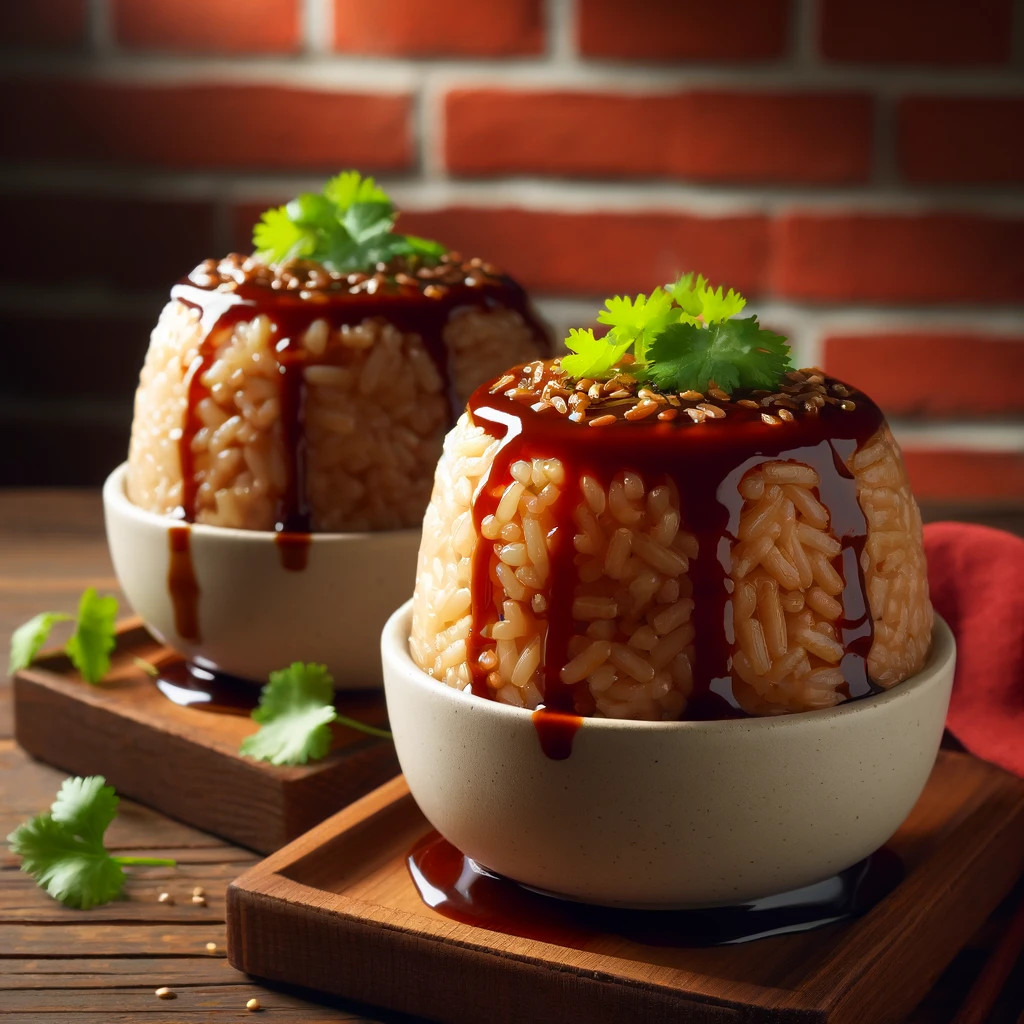
米糕放在小型不鏽鋼鐵筒裡面, 每當客人要點的時候老闆就會打開一個不鏽鋼抽屜, 把米糕拿出來倒到碗中再放上沾醬與香菜, 通常點一個不會飽,兩個也只是剛好而已。
所以最常我的點法就是一碗四神湯加上兩個米糕, 邊看著大鍋上氤氳蒸騰,以及斑駁的紅牆,無論生命是什麼狀態,都有種被萬華包覆與包容的感覺,因此,這就是我的萬華飲食記憶之一。
Under the archway of Wanhua’s First Street, the flavors of Four Gods Soup and Taipei rice cakes evoke nostalgic memories. My mother often took me to buy snacks there when I was a child. It was a place frequented by locals rather than tourists.
Located on Guiyang Street, commonly known as Taipei’s First Street, and home to Qingshan Temple, the journey from my house to this area involved passing through a very narrow ancient alley. One household there had a very open kitchen, with a large pot over a gas stove in an outdoor space, making it feel like a movie scene every time I passed by. It always made me wonder what might emerge from the other end of the alley.
Upon exiting the alley, I would arrive at the charming red-bricked Guiyang Street, lined with century-old who live incense shops, numerous snack stalls, and even two fruit stores. The street buzzed with activity, mainly because of the nearby Zhixing Market, drawing crowds of people.
I often brought friends from out of town here to experience the authentic flavors of Wanhua’s street food, free from the usual tourist crowds. Despite trying Four Gods Soup in many places, none compared to the one near my home. Besides the soup, the rice cakes were also incredibly delicious.
The rice cakes were served in small stainless-steel cylinders. Whenever a customer ordered, the owner would open a stainless-steel drawer, take out the rice cake, and place it in a bowl, adding sauce and cilantro. One serving was never enough; two were just right.
My usual order was a bowl of Four Gods Soup and two rice cakes. Watching the steam rise from the large pot against the backdrop of weathered red walls, I felt embraced and accepted by Wanhua, no matter what was happening in my life. This is one of my cherished culinary memories of Wanhua.
-
《島嶼未來料理教室》Future Formosa Culinary Lab Profile Nr.029
31-40歲的臺北市偏好好吃的食物者,平均花費200元在餐費上。因為用餐的對象以及空間氛圍而對飲食記憶留下深刻印象。如果世界末日終將來到,會選擇與心愛的人共享這一餐。關於家庭的一道料理,她提到無。
"Food lover"
Female(31-40 yrs)/ Taipei City / 200 NTD per meal
Profound dining impressions were shaped by the company and the ambiance.
If the end of the world were to come, she would choose to share the meal with her loved one.
As for a family dish, she mentioned none.
-
國立臺灣歷史博物館的第 1 個「公共飲食記憶 NFT 化」實驗計畫《超時空島嶼餐桌》
National Museum of Taiwan History's First NFT Experimental Project on Public Dining Memories《Time-Space Dining Tables》
「國立臺灣歷史博物館」為推動國家文化記憶庫之永續發展,融入當代議題、常民生活及在地關懷,連結博物館專業、數位創新思維與多元社群行動,以促進臺灣原生文化之活化運用,鼓勵全民共同開展記憶庫多元主題與主題素材近用。
本計畫案於112年推出《島嶼庫客 Islands Cooker》飲食記憶系列7支影片,探究臺灣飲食的歷史成因,113年延續「餐桌」的概念,加入「未來」元素,委由畸零地創造股份有限公司辦理《島嶼未來料理教室——NFT設計工作坊》,以記憶庫長期深耕之飲食記憶主題,透過非同質化代幣(Non-Fungible Token,以下簡稱 NFT)設計工作坊,增進記憶庫之內容與應用,落實臺灣原生文化之推廣。
《島嶼未來料理教室——NFT設計工作坊》以「推測設計」為核心,反思記憶料理的獨特性,其之於 NFT的當代意義及其飲食文化價值,並將工作坊延伸設計為「發掘身體飲食記憶,運用想像和推測來創造未來島嶼飲食文化」的參與式體驗活動。工作坊由編舞家與引導師,透過一連串的帶領、想像和對話,挖掘及連結蘊藏身體感知中的飲食記憶,並讓參與者書寫飲食記憶;接著由畸零地工作室與生成式AI 「ChatGPT 4o」協作製作出 「記憶食譜 NFT」及文字翻譯;最後線上場以「圍爐」的概念,讓參與者在雲端上互相分享與交流。
這些飲食記憶透過NFT不可替代、數位交換的特性,被永久保存並流傳,期望每個人都能回首屬於自己的飲食記憶和歷史,經由公共化的途徑與媒介,成為社會記憶的一部份,構築社群認同的可能。
To promote the sustainable development of the Taiwan Cultural Memory Bank, the National Museum of Taiwan History integrates contemporary issues, ordinary life, and local concerns. By combining museum expertise, digital innovation, and diverse community actions, it aims to revitalize and utilize Taiwan's indigenous culture. The museum encourages the public to collaboratively develop and access various themes and materials within the memory bank.
This project launched the "Islands Cooker" series of seven videos on culinary memories in 2023, exploring the historical origins of Taiwanese cuisine. Continuing with the concept of the "dining table" and incorporating "future" elements in 2024, the project entrusted Ground Zero Co., Ltd. to handle the "Islands Future Cuisine Classroom—NFT Design Workshop." By delving into the long-term themes of culinary memories from the Taiwan Cultural Memory Bank and utilizing the Non-Fungible Token (NFT) design workshop, the project aims to enhance the content and application of the memory bank, promoting the dissemination of Taiwan's indigenous culture.
The "Islands Future Cuisine Classroom—NFT Design Workshop" centers on "speculative design," reflecting on the uniqueness of memory cuisine and its contemporary significance and culinary cultural value in relation to NFTs. The workshop is extended into a participatory experiential activity, designed as "discovering culinary memories in body and using imagination and speculation to create future island culinary culture." The workshop, led by choreographers and facilitators, guides participants through a series of activities, including imagination and dialogue, to uncover and connect with culinary memories embedded in their bodily perceptions. Participants then write down their culinary memories. Next, Ground Zero Co., Ltd. collaborates with the generative AI "ChatGPT 4o" to create "Memory Recipe NFTs" and translate the texts. Finally, the online session, based on the concept of "reunion dinner," allows participants to share and exchange their experiences and creations in the cloud.
These culinary memories, preserved and circulated through the non-fungible and digital exchange characteristics of NFTs, are expected to be permanently stored and shared. The goal is for everyone to reflect on their own culinary memories and histories, making them part of societal memory through public pathways and media, thereby fostering a sense of community identity.
※本圖像為AI生成內容
※This image is AI-generated content.