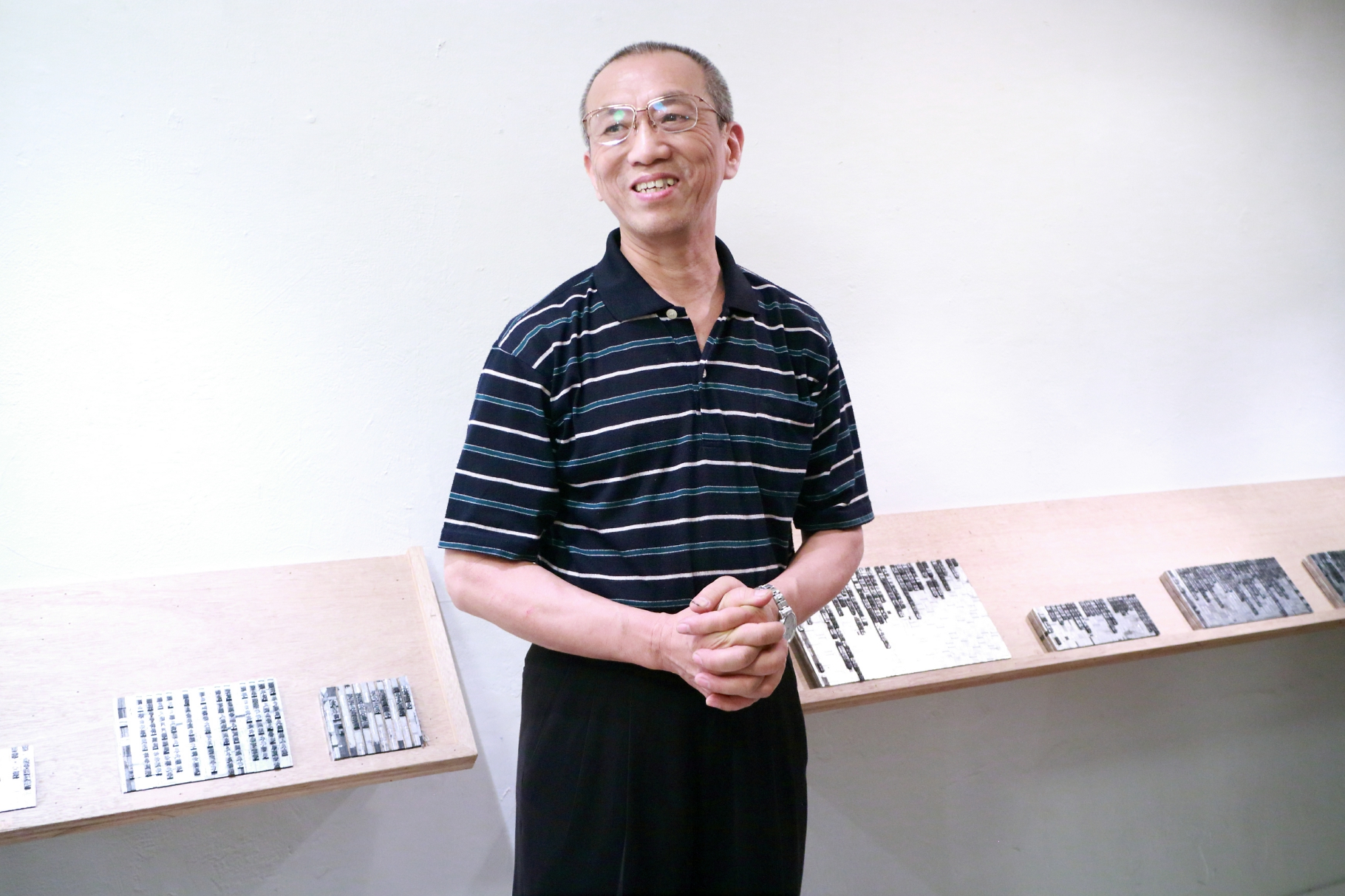

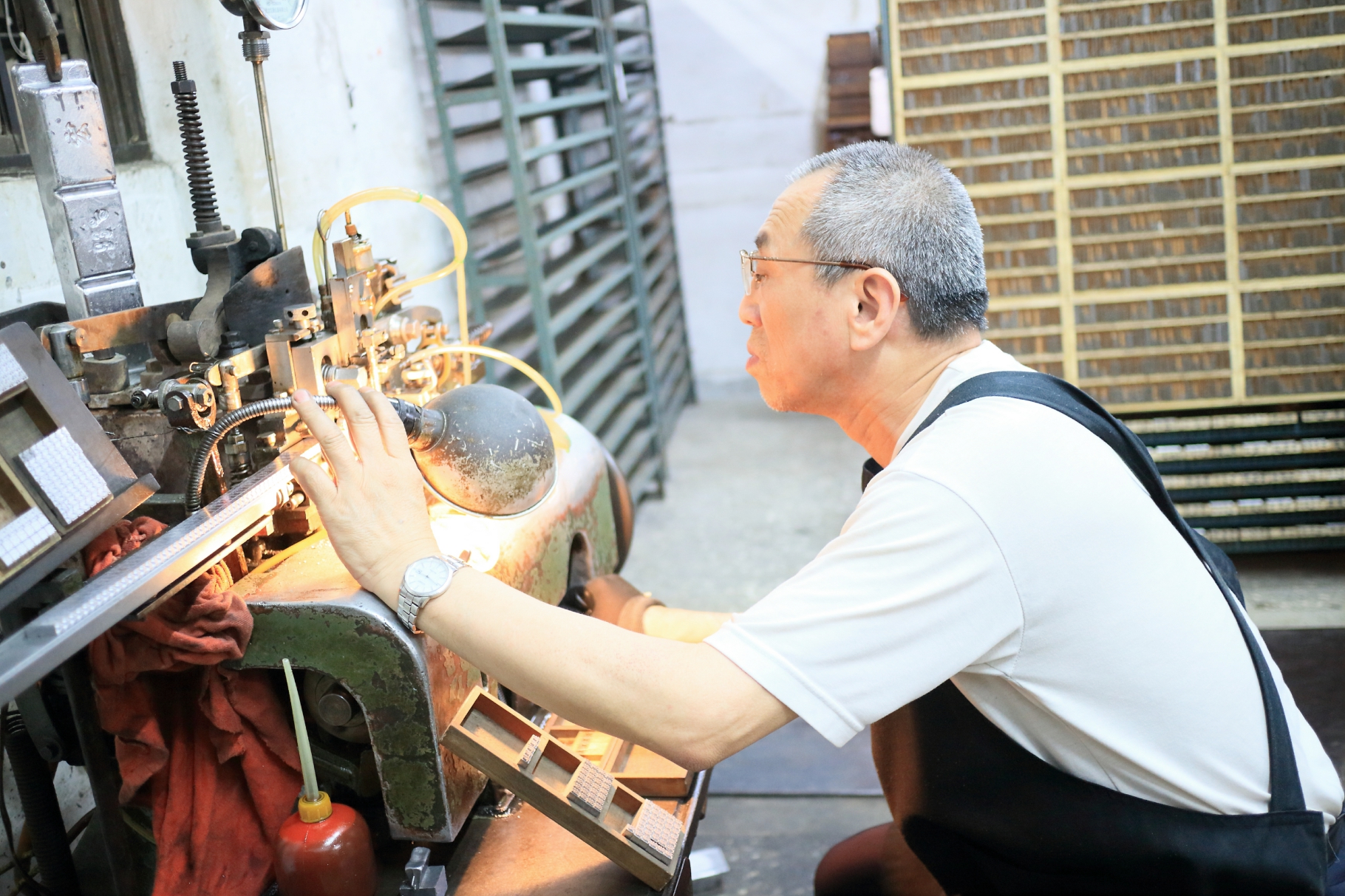








張介冠於1952年生於台北,為家中長子,初中休學後,曾到親戚家學鐵工、車床技術,17歲時進入印刷產業,於19歲時回家協助父親張錫齡創業經營的日星鑄字行,學習如何鑄字、檢字、疊紙、操作印刷機等。借錢創業的父親期許「日日有生產,日日有生財」,而取名為日星鑄字行。
歷經活版印刷產業最繁盛的1970年代,老闆張介冠曾經和父親並肩,24小時日夜輪班工作,經歷過日鑄十萬字的黃金時期。但到了1996年,「一個月營業額不到一千元。」2001年,全台灣最大的鑄字行「中南行」結束營業後,宣告台灣的活版印刷產業已經正式衰亡,同行紛紛將上萬噸的鉛字當成廢五金處理賣掉,張介冠思考著日星鑄字行成為全國碩果僅存的鑄字行,該如何將華人重要漢字文化做最完整的保留與鑄字技術傳承。
2008年之後,經由《蘑菇手帖》的報導披露,以及愈來愈多的媒體與網路報導,日星鑄字行在國際的能見度漸漸提高,張介冠也開始將鑄字產業形塑到文化層次,開設團體導覽,解說鑄字流程及活版印刷產業的歷史。2012年因保存鑄字技術及推廣鑄字工藝獲頒《臺北市傑出市民獎》。
張介冠的夢想是將日星鑄字行朝向「台灣印刷文化工藝館」前進,也正在進行字體銅模修復計劃,「我將日星鑄字行當作公共財,它不是我個人的資產。」張介冠告誡接班的次子張建堂:「你只是員工之一,是被委任的管理者。如果決定要做好一件事,就用窮盡一生精力完成它」。
Born in Taipei in 1952, Chang Chieh-kuan was the oldest son in the family. After he dropped out of junior high school, he learned how to make ironwork and use lathe machines from his relatives. He entered the printing industry at age of 17. When he was 19, he returned to his family to help his father Chang Hsi-ling run Ri Xing Type Foundry and started to learn how to cast types, index types, stack sheets, and use presses and so on. At that time, his father borrowed money to found this type foundry and named it “Ri Xing” (meaning renewing every day) because he hoped that Ri Xing can be efficient and prosperous and make money every day.
In the 1970s, Chang and his father worked in shifts and experienced the heyday of letterpress printing industry when Ri Xing had to cast one hundred thousand types every day. But in 1996, “the monthly revenue of Ri Xing was less than one thousand New Taiwan dollars.” In 2001, Chung NaN Type Foundry, the biggest type foundry in Taiwan, was out of business, the letterpress printing industry declined. And people in the same industry successively sold more than ten thousand metric tons of types as scrap metal. Thus, Ri Xing became the only remaining type foundry in Taiwan. It made Chang think about how to preserve complete Chinese character culture and pass the typecasting technique down to future generations.
After Ri Xing was reported by MOGU Magazine and more news media and online news in 2008, Ri Xing has increased its visibility worldwide. Chang started to shape the typecasting industry as a kind of culture. He set up group tours at Ri Xing to explain the process of typecasting and the history of letterpress printing industry. In 2012, he was awarded “Distinguished Citizen of Taipei City” because of preserving the typecasting technique and promoting the typecasting culture.
Chang dreams to turn Ri Xing into a handcrafts room in Taiwan. He is launching a project to mend copper molds. “I consider Ri Xing a public good, it is not my personal property,” he says. He also admonishes his second son Chang Chien-thang who wants to succeed him as owner of Ri Xing that “You are just one of the employees, an appointed administrator. If you decide to do one thing, you have to spend your whole life getting it done.”