







An indigenous elite under Japanese education
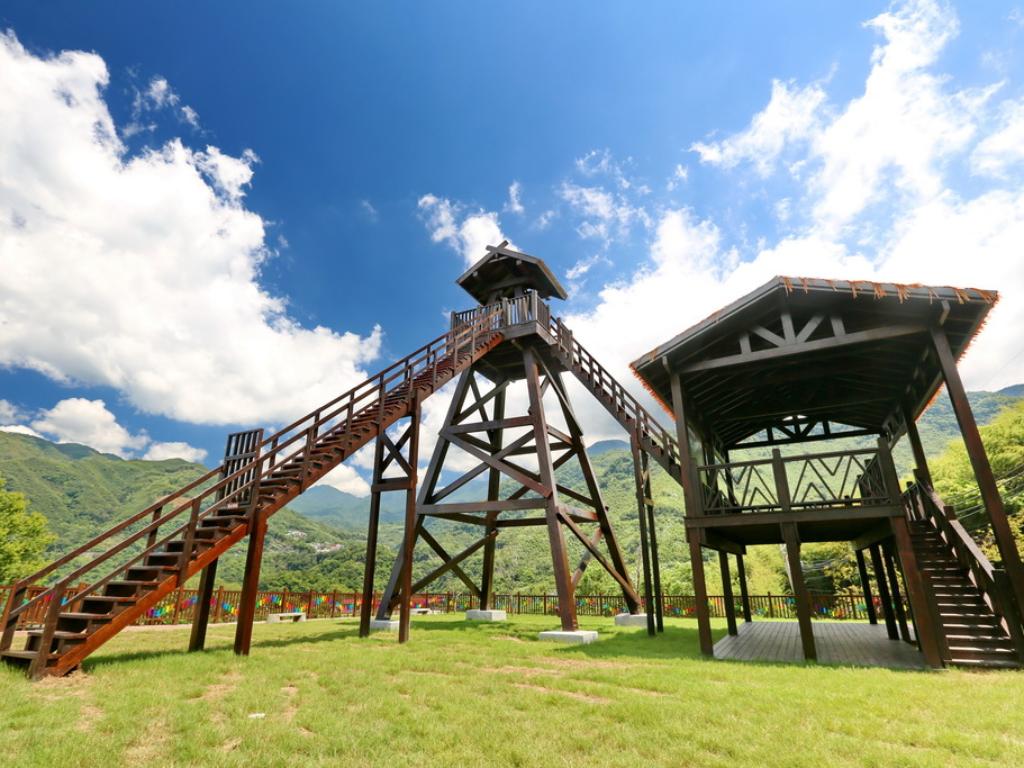
Losing Watan Memorial Park was established in 2005 at No. 118, Ruoma Road, Fuxing District, Taoyuan City (on the side of the beginning of Ruoma Road) in memory of the Atayal White Terror political victim Losing Watan. The memorial park is divided into three sections: on the east side of the road is a grassland with an Atayal lookout tower and a wooden pavilion, as well as records of the life story and historical materials of Losing Watan; on the west side of the road is a statue of Losing Watan; and the third section is the private Lin Family Ancestral Hall, which is not open to the public on weekdays. This place is also the grave where Losing Watan was buried.
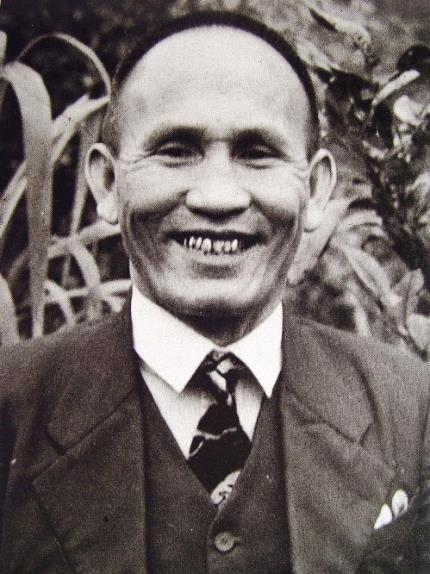
▲ Portrait of Losing Watan. (Source: Public Television)
Losing Watan (August 16, 1899-April 17, 1954; Chinese name Lin Rei-chang, Japanese name Watai Saburō), was from Dabaoshe of the Atayal tribe. His father, Watan Shetsu, was formerly a chief leading the fights against the Japanese, but later submitted to save the lives of the people of his tribe after recognizing Japan’s superior military force. He also handed over his oldest son, Losing Watan, to the Japanese government as a hostage, on the condition that Losing Watan would receive modern education at the Jiaobanshan Bandō Kyōikusho (Indigenous Education Institute); Losing Watan was also given the Japanese name “Watai Saburō.”
Losing Watan graduated from the Taiwan Governor-General’s Office Medical School in 1921 and returned to the tribe to work as a public physician, promoting modernized medicine and ways of life. He was a mediator between the Japanese government and the indigenous people. In 1929, he obeyed an order of the Governor-General’s Office and married into a prominent family of Ehime Prefecture on Shikoku, the Hino family, and changed his name to “Hino Saburō.” In 1945, he was appointed council member of the Taiwan Governor-General’s Office.
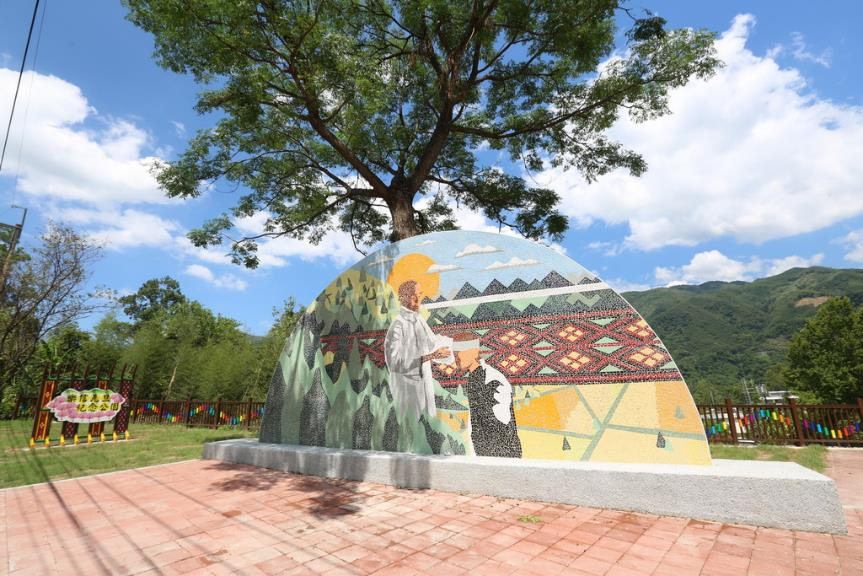
▲ Mosaic decorations of Losing Watan practicing medicine. (Source: Department of Tourism, Taoyuan City Government)
“Giving up medicine for politics,” but suffering under the White Terror
Four months after Losing Watan became a council member, Japan lost the war and surrendered. Facing the new regime, Losing Watan took the Chinese name Lin Rei-chang but continued to serve as a mediator between the government and the tribe. During the February 28 Incident, he talked his people out of joining the resistance and received a certificate for “maintaining security.” However, in order to bring the Atayal people back to their native lands, he submitted the “Petition Letter to Restore the Native Land of Dabaoshe, Sanxia Township, Haishan District, Taipei County” to the provincial government on behalf of the indigenous people, but he received no response. The caused the Atayal people in Jiaoban Township to become so furious that the situation almost led to a riot. Losing Watan, therefore, gave up medicine for politics, and was appointed Executive Officer of the Provincial Government and Senator of the first Taiwan Provincial Senate.
In 1952, Losing Watan was elected councilor of the first Temporary Taiwan Provincial Consultative Council, and also served as the chairperson of the “Takasago Self-Governance Association” (also known as the “Penglai Tribe Liberation Committee”) in November, in which he advocated for the return of indigenous native lands. At the same time as he was fighting for the rights of indigenous peoples, the Chinese Communist Party Taiwan Provincial Task Committee led by Tsai Hsiao-chien actively contacted Losing Watan, which resulted in Losing Watan being accused by the Taiwan Provincial Security Command of promoting communism among indigenous people. During island-wide arrests, Losing Watan, along with indigenous elites like the Tsou Mayor Uyongu Yatauyungana (Kao Yi-sheng), and Yapasuyongu Yulunana (Tang Shou-jen), was arrested in the “Mountain Tribes Communist Rebellion Case.” He was charged with corruption and sedition and was executed along with five other indigenous leaders on April 17, 1954. He only received redress after the lifting of martial law.
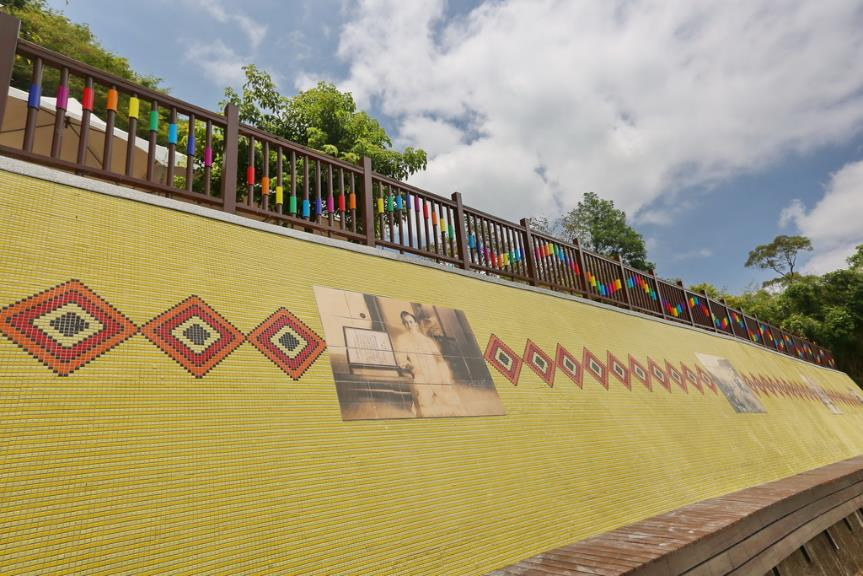
▲ Mosaic and old photo decorations on the side of the road. (Source: Department of Tourism, Taoyuan City Government)
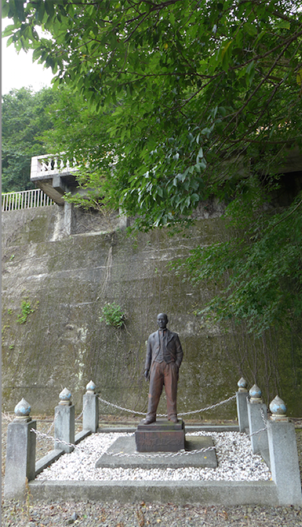
▲ Statue of Losing Watan. (Source: National Human Rights Museum)